Meet Amanda Steed, LCSW-S: Social Worker, Consultant, and Trauma Healing Specialist
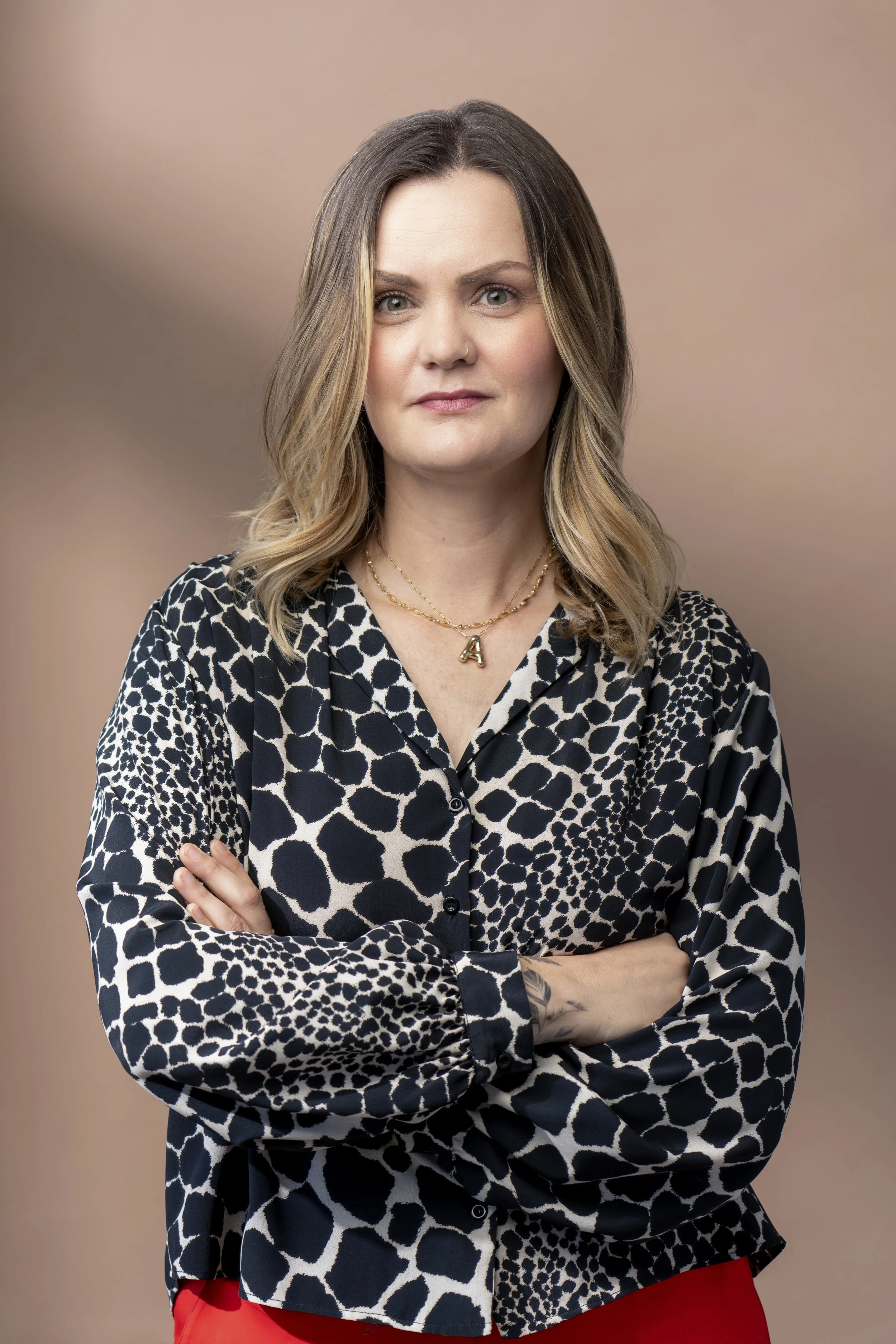
EMDRIA & IFSI Certified Therapist & Approved Consultant
Hi, I'm Amanda — I consult virtually with therapists who use EMDR, IFS, and I-CBT to treat trauma and OCD. I'm an LCSW-Supervisor based in Dallas, TX and work with therapists worldwide. I hold EMDR certification and am an EMDRIA Approved Consultant. I'm also IFS Certified (Level 1 & Level 2, with a focus on IFIO for couples) and an IFSI Approved Consultant. In addition to EMDR and IFS, I have pursued training in Dan Siegel's Interpersonal Neurobiology (IPNB) framework, Inference-Based CBT, ACT, SPACE Treatment, and ERP. In consultation, I help therapists work through stuck points in their cases, hone their assessment skills, and take an integrative approach to treatment.
I am co-founder of the Therapist Training Group (EMDRIA Approved CE Providers) where myself and my business partner Kathleen are developing our EMDR Basic Training, along with advanced trainings related to OCD, liberatory psychology, memory reconsolidation, and more. I have helped facilitate trainings as a PA for Dr. Kendhal Hart’s EMDR + IFS Protocol and Melissa Mose’s IFS for OCD Protocol.
My drive to become a consultant really came from teaching. Therapy is a second career for me, and the bulk of my previous career was spent in non-traditional teaching and curriculum development settings, so supporting clinicians was a natural next step. The consultation I received during my own EMDR and IFS certification was formative, and I still seek ongoing consultation in both models -I don’t ask therapists to do something I’m not doing myself.
Through the consultation groups I lead, my goal is to give you practical help with the models and create a community of colleagues who are just as nerdy about EMDR, IFS, and integration as we are. It’s warm, it’s collaborative, and you’ll leave with something you can use in session.
Let’s Work Together
What Consultees Appreciate
-
Therapists come to consultation with layered cases — complex trauma, attachment wounds, parts showing up in reprocessing, sometimes OCD woven in — and they need someone who can see the whole picture. In our work together, I help you conceptualize from an EMDR + IFS integrated lens, and when it’s relevant, I fold in what I teach about OCD and I-CBT. Consultees have told me this makes their sessions clearer and their treatment planning more confident because they’re no longer trying to force one modality to do everything.
-
One of the most consistent things I hear is, “I felt at ease right away.” My consultation groups are structured, but the energy is warm, fun, and very human. There are no “stupid” questions here. You’re allowed to bring the messy cases, the stuck sessions, and even the “I don’t even know where to start” moments. I want consultation to feel like a place you can actually show up as you are and still grow.
-
Good consultation isn’t only about what to do next session — it’s about helping you feel more regulated, resourced, and confident as a clinician. Therapists have shared that they leave our meetings feeling more connected to their own Self energy and therapist parts. My goal is that you walk away not only with an intervention, but with a clearer sense of, “I can trust myself to know what to do.”
-
My style is to help you uncover your own clinical wisdom. I will definitely offer direction, worksheets, and language, but I will also ask questions that stretch your thinking and help you see new perspectives. Consultees have said they appreciate being challenged in this way because it honors their experience and keeps consultation from feeling like another lecture.
-
I provide tools — like a consultation/case form for EMDR + IFS — so you can organize your work and bring cases in a way that makes the best use of our time. I’m direct and practical, and if I don’t have an answer in the moment, I’ll get it for you. Therapists have named this as one of the reasons they keep coming back: they know they will leave with something usable.
-
Several therapists I’ve consulted with have gone on to build or strengthen their private practices, expand into couples work using IFIO, or pursue EMDRIA consultant status. Consultation with me isn’t just about “today’s case”; it’s about equipping you for the kind of practice you’re building. If you’re heading toward CIT or offering your own groups, I hold that in mind with you.